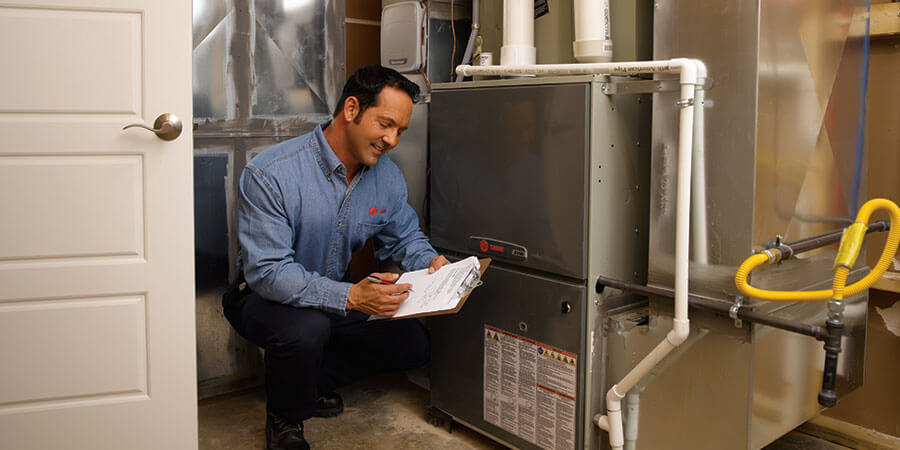
Smart Steps to Plan and Manage Your Next Heating and Cooling Project
First, assess your current comfort priorities and building constraints so you can frame the scope before calling contractors. Square footage, insulation, window exposure, and occupancy patterns all influence capacity needs and system types. Document known issues such as uneven rooms, noise, or high utility bills. This early clarity helps vendors tailor proposals, compare options, and flag whether AC Installation and Repair or broader system upgrades would better address underlying problems.
Next, verify licensing, insurance, and familiarity with local codes to ensure compliance from day one. Ask how load calculations are performed and what software or methods are used. In practice, a proper Manual J and duct assessment reveal whether Heating Installation and Repair can integrate with existing infrastructure or whether Custom Ductwork is warranted. Transparent processes reduce change orders and help maintain predictable timelines and outcomes.
Meanwhile, align expectations on workflow and site readiness. Clarify access, staging areas, and protective measures for flooring and furnishings. Then, sequence tasks: removal, rough-in, electrical, condensate routing, refrigerant lines, and commissioning. When crews phase the work properly, disruptions are contained, and inspections slot in without delay. Clear daily start and stop times, plus a named point of contact, keep communication crisp and decisions timely.
Beyond that, explore system categories matched to your goals. Traditional split systems suit many homes, while Heat Pump Installation may enhance efficiency and shoulder-season comfort. For additions or rooms with tricky layouts, Ductless AC Installation can solve hot and cold spots without major demolition. Ask for lifecycle cost comparisons that include maintenance, filters, and energy use so you evaluate more than just upfront equipment numbers.
However, remember that air distribution often determines real-world comfort. Inspect existing trunks, returns, and registers for size, balance, and leakage. If static pressure is high, consider design tweaks or Custom Ductwork to restore airflow. Air Duct Cleaning may help when debris or construction dust restricts performance, but it’s not a substitute for resizing undersized runs. A balanced system quiets operation, stabilizes temperatures, and reduces strain on components.
Often, indoor air quality improvements deliver immediate benefits. Discuss filtration ratings, fresh air strategies, and humidity control. Validate that chosen filters won’t exceed the blower’s capability and that drain pans and lines have proper slope. Ask how technicians document refrigerant charge, temperature splits, and static pressure during startup. Commissioning checklists and photos provide proof that specifications were met and baselines were recorded for future service.
Then, address controls thoughtfully. Thermostats should be placed away from drafts, sunlight, and heat sources to avoid false readings. Home Automation can add scheduling, zoning, and alerts that protect equipment and comfort when you’re away. Calibrate set points with gradual changes to reduce short cycling. If zoning is proposed, confirm that bypass strategies or modulating dampers are designed to prevent excessive pressure and noise.
Additionally, budget with buffers. Include allowances for electrical upgrades, condensate pumps, pad work, or minor carpentry. Validate warranty terms for equipment and labor, and understand what regular maintenance entails to keep coverage intact. A clear service plan with seasonal tune-ups, filter changes, and belt checks helps maintain efficiency and catch small issues before they escalate into costly downtime or premature replacements.
Finally, plan the inspection and handoff. Request a walkthrough that reviews filter sizes, breaker locations, condensate cleanouts, and shutoff valves. Ask for labeled panels and a brief guide summarizing maintenance intervals. Keep quotes, manuals, and serial numbers together so future technicians can reference specifications. A short post-install review after the first utility cycle allows you to refine settings and validate that performance matches expectations.
Ultimately, a smooth project comes from disciplined preparation and responsive follow-through. When you define targets, verify qualifications, and insist on measurable commissioning data, you give any HVAC team what they need to deliver predictable comfort. With a sensible plan, thoughtful airflow design, and clear documentation, your system will be easier to service, simpler to operate, and ready for the seasons ahead.